If you’ve ever filled up at a gas station and winced at the price, you’ve probably heard whispers about Costco gas being a game-changer. But is it really worth the membership? Let’s dive into the real story behind Costco gas—its savings, quality, availability, and everything in between.
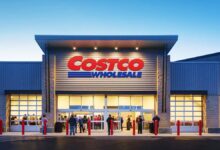
Why Costco Gas Is a Fuel-Saving Powerhouse

Costco gas has earned a legendary reputation for offering some of the lowest fuel prices across the United States and Canada. But what makes it so much cheaper than your average gas station? The answer lies in Costco’s unique business model and operational efficiency.
How Costco Keeps Gas Prices Low
Unlike traditional gas stations that operate on thin margins and rely heavily on convenience store sales, Costco uses its gas stations as a traffic driver. The company doesn’t aim to make massive profits from fuel sales. Instead, it leverages low gas prices to attract members to its warehouses, where they’re likely to spend on groceries, electronics, and other high-margin items.
- Costco buys fuel in bulk directly from refineries, cutting out middlemen.
- Operating costs are minimized through automated systems and limited staffing.
- Prices are dynamically adjusted based on local market competition, ensuring they remain competitive.
According to a 2023 report by GasBuddy, Costco consistently ranks among the top five cheapest gas retailers in over 30 U.S. states.
Membership Model: The Secret Behind the Savings
The key to accessing Costco gas is a membership. While this may seem like a barrier, it’s actually what enables the savings. Members pay an annual fee—$60 for a Gold Star membership or $120 for an Executive membership—which funds Costco’s ability to offer lower prices across the board, including fuel.
“Costco’s membership model creates a self-sustaining ecosystem: members get value, Costco gets loyalty, and both benefit from volume-driven savings.” — Retail Analyst, Jane Thompson
Because Costco doesn’t need to profit directly from gas, it can pass savings directly to members. In fact, the company typically makes only 3–8 cents per gallon in profit, compared to 15–30 cents at conventional stations.
Costco Gas Quality: Premium Fuel That Meets Top Tier Standards
One common myth about cheap gas is that it must be low quality. With Costco gas, that couldn’t be further from the truth. In fact, Costco’s fuel exceeds federal standards and is certified under the Top Tier Detergent Gasoline program.
What Is Top Tier Detergent Gasoline?
Top Tier is a voluntary standard created by several major automakers, including BMW, General Motors, Honda, and Toyota. It requires gasoline to contain higher levels of detergent additives that keep fuel injectors and intake valves clean, improving engine performance and longevity.
- Standard gasoline meets minimum EPA requirements.
- Top Tier gas contains 2–3 times more detergent additives.
- Costco is one of the few warehouse clubs to meet this standard across all its fuel grades.
You can verify Costco’s Top Tier status on the official Top Tier website, which lists all certified retailers.
Regular vs. Premium: What’s the Difference at Costco?
Costco offers both regular unleaded and premium gasoline, with octane ratings typically at 87 and 91, respectively. The higher octane premium fuel is recommended for high-performance or luxury vehicles that require it.
- Regular (87 octane): Ideal for most standard vehicles.
- Premium (91–93 octane): Better for turbocharged engines and performance cars.
- E85 Flex Fuel: Available at select locations for compatible vehicles.
Despite the higher quality, Costco’s premium gas is often priced lower than regular gas at competing stations, making it a double win for drivers with premium requirements.
Where to Find Costco Gas Stations: A Nationwide Guide
While Costco gas is a major perk, it’s not available everywhere. Understanding where these stations are located—and how to find them—is crucial for maximizing your fuel savings.
How Many Costco Gas Stations Are There?
As of 2024, there are over 560 Costco gas stations across the United States, primarily located at warehouse locations that include fuel pumps. Not every Costco has a gas station, but the majority in suburban and high-traffic areas do.
- California has the highest number of Costco gas stations (over 100).
- Texas, Washington, and Florida also have dense networks.
- Some Canadian provinces, like British Columbia and Ontario, offer Costco gas.
You can use the Costco warehouse locator to filter locations with gas stations.
Gas Station Hours and Accessibility
Costco gas stations typically operate from early morning to early evening, often opening at 6:00 AM and closing between 8:00 PM and 9:00 PM, depending on the location. Unlike the warehouse, gas stations are usually accessible from the outside, so you don’t need to enter the store to refuel.
- Most locations allow drive-through fueling without warehouse entry.
- Hours may vary during holidays or extreme weather.
- Some urban locations have shorter hours due to space constraints.
Pro tip: Arrive early in the morning or late afternoon to avoid peak lines, especially on weekends.
Costco Gas vs. Competitors: Who Really Saves You More?
Is Costco gas actually cheaper than Sam’s Club, Wawa, or local independents? Let’s break down the numbers and see how it stacks up against the competition.
Costco vs. Sam’s Club
Both are membership-based warehouse clubs, but there are key differences in fuel pricing and quality. While Sam’s Club also offers competitive prices, Costco often edges it out by 5–10 cents per gallon.
- Costco consistently ranks lower in price comparisons by GasBuddy.
- Costco meets Top Tier standards; Sam’s Club does not consistently advertise this certification.
- Sam’s Club allows EBT cards for fuel in some states; Costco does not.
However, Sam’s Club may be more convenient for some due to wider urban presence.
Costco vs. Local Gas Stations
The price gap between Costco gas and local stations can be dramatic. In cities like Los Angeles or Seattle, where gas averages $5.00/gallon, Costco often sells fuel for $4.30–$4.60.
- Average savings: $0.25–$0.75 per gallon.
- Annual savings for a driver using 1,000 gallons: $250–$750.
- Even with the $60 membership fee, most drivers break even within 2–3 fill-ups.
For example, a 2023 study in The Seattle Times found that Costco gas was the cheapest option in 8 out of 10 surveyed ZIP codes.
Costco vs. Grocery Store Gas (Kroger, Safeway, etc.)
Many grocery chains offer fuel rewards, but the actual savings are often less than they appear. Programs like Kroger Fuel Points require significant spending to earn meaningful discounts.
- Kroger: 10 cents off per gallon for every $100 spent—takes weeks to accumulate.
- Costco: Immediate 20–50 cent discount with no hoops to jump through.
- Grocery gas is not always Top Tier; Costco’s is.
Unless you’re already spending heavily at a grocery store, Costco gas provides faster, more reliable savings.
How to Maximize Your Savings at Costco Gas
Getting the lowest price at Costco gas isn’t just about showing up. Smart drivers use strategies to stretch their savings even further.
Use the Right Payment Method
Costco accepts only specific payment methods at the pump: Costco Cash Card, Visa credit cards, and PIN-based debit cards. Cash and Mastercard/Amex are not accepted.
- The Costco Cash Card is reloadable and can be purchased with cash or other cards.
- Using a Visa credit card earns you rewards, especially if it’s linked to your Executive membership.
- Executive members earn 2% cashback on eligible purchases, including gas (up to $1,000/year).
Tip: Load your Cash Card during warehouse visits to avoid delays at the pump.
Timing Your Fill-Ups for Maximum Value
Fuel prices fluctuate daily, and Costco adjusts its prices accordingly. To get the best deal, time your visits strategically.
- Prices are often lowest on Tuesdays and Wednesdays.
- Avoid weekends, especially Sundays, when demand spikes.
- Check GasBuddy or the Costco app for real-time price updates.
In some markets, Costco updates prices as often as twice a day, so even an hour can make a difference.
Leverage Executive Membership Benefits
If you drive frequently, the $120 Executive membership can pay for itself quickly. The 2% annual reward on gas and other purchases adds up fast.
- Example: Spend $3,000/year on gas → $60 cashback.
- Combined with lower per-gallon prices, total savings can exceed $500/year.
- Free vacation discounts and car rental perks add extra value.
For families or high-mileage drivers, the Executive tier is often the smarter long-term choice.
Common Myths and Misconceptions About Costco Gas
Despite its popularity, Costco gas is surrounded by myths that deter some drivers from taking advantage of its benefits. Let’s set the record straight.
Myth: Costco Gas Is Low Quality
This is perhaps the most persistent myth. Some believe that because the fuel is cheap, it must be inferior. But as we’ve established, Costco gas meets Top Tier standards and is rigorously tested.
- Costco sources fuel from major refiners like Exxon, Valero, and Shell.
- Fuel is tested monthly for quality and consistency.
- No credible evidence links Costco gas to engine problems.
The American Automobile Association (AAA) has confirmed that Top Tier gas, including Costco’s, helps prevent carbon buildup and improves fuel economy over time.
Myth: You Have to Be a Member to Buy Gas
While you do need a membership to pump gas, there are rare exceptions. Some locations allow non-members to purchase fuel if they’re accompanying a member or during special promotions.
- Generally, the cardholder must be present and swipe their membership card.
- Gift cards cannot be used to buy gas unless loaded onto a membership account.
- Authorized users on a membership can also access fuel.
Bottom line: Membership is required, but family members can be added for free.
Myth: Costco Gas Lines Are Always Long
It’s true that Costco gas stations can get busy, especially on weekends. But with smart timing, you can avoid the wait.
- Weekday mornings (7–9 AM) are typically the fastest.
- Some locations have 8–12 pumps, allowing high throughput.
- Using the Costco app to check wait times is not available, but third-party apps like Waze can help.
In many cases, the time spent waiting is still offset by the money saved.
Environmental and Operational Impact of Costco Gas
Beyond price and quality, Costco’s fuel operations have broader implications for sustainability and urban planning.
Sustainability Efforts at Costco Gas Stations
Costco has made strides in reducing the environmental footprint of its fuel operations. While gasoline is inherently a fossil fuel, the company is investing in cleaner infrastructure.
- Many stations use vapor recovery systems to reduce emissions.
- Underground storage tanks are double-walled to prevent leaks.
- LED lighting and energy-efficient pumps reduce electricity use.
Costco also sells E85 ethanol fuel at select locations, catering to flex-fuel vehicle owners looking for renewable options.
Urban Planning and Traffic Flow
The design of Costco gas stations reflects careful planning to handle high volumes without disrupting traffic.
- Pumps are positioned for easy in-and-out access.
- Separate lanes for cars and SUVs/trucks improve efficiency.
- Some locations have dedicated turn lanes to reduce congestion.
However, in densely populated areas, long lines can spill onto public roads, leading to complaints from neighbors—a trade-off for the popularity of low prices.
Future of Costco Gas: Electric and Hydrogen?
As the automotive industry shifts toward electric vehicles (EVs), Costco has not yet rolled out EV charging at its gas stations. However, the company has hinted at future investments.
- No official EV charging program as of 2024.
- Some warehouses have installed Tesla chargers in parking lots.
- Hydrogen fueling is not currently offered.
Given Costco’s history of adapting to member needs, EV charging could become a reality in the next 5–10 years.
Customer Experience and Real User Reviews
What do actual customers say about filling up at Costco gas? Online reviews and surveys paint a generally positive picture, with some recurring themes.
Positive Feedback: Savings and Quality
On platforms like Yelp, Google Reviews, and Reddit, Costco gas receives high marks for affordability and fuel performance.
- “Saved over $1,000 in a year just on gas.” — Verified user on r/Frugal
- “My car runs smoother since switching to Top Tier gas.” — Google Review, CA
- “Worth the membership just for the fuel.” — Trustpilot review
Many users report improved fuel economy and fewer engine issues after switching to Costco gas.
Common Complaints: Lines and Payment Limits
No service is perfect, and Costco gas has its share of criticisms.
- Long wait times on weekends are the most frequent complaint.
- Limited payment options frustrate some users.
- Not all locations accept fleet cards or business accounts.
Some drivers also note that the pumps shut off at $100 per transaction, requiring multiple swipes for large vehicles or fleets.
How Costco Responds to Feedback
Costco is known for listening to member feedback. In response to long lines, some warehouses have added more pumps or extended operating hours.
- Increased staffing during peak times.
- Improved signage and lane management.
- Ongoing investment in pump technology and reliability.
While change is slow, Costco’s member-centric model ensures that customer concerns are eventually addressed.
Is Costco gas really cheaper than Sam’s Club?
Yes, in most markets, Costco gas is cheaper than Sam’s Club by 5–10 cents per gallon. Additionally, Costco’s fuel meets Top Tier detergent standards, which Sam’s Club does not consistently advertise. However, Sam’s Club may be more accessible in certain urban areas.
Can non-members buy gas at Costco?
No, only Costco members can purchase gas. The membership card must be swiped at the pump. However, family members can be added to a membership for free and can also access fuel.
Does Costco gas damage your car?
No, Costco gas does not damage your car. In fact, it’s certified as Top Tier detergent gasoline, meaning it contains higher levels of cleaning additives that help prevent engine deposits and improve performance. Major automakers recommend Top Tier fuels for optimal engine health.
How much can I save annually with Costco gas?
Savings depend on your driving habits and local fuel prices. On average, drivers save $0.25–$0.75 per gallon. For someone using 1,000 gallons per year, that’s $250–$750 in savings. Even after the $60 membership fee, most drivers see a net gain within a few months.
Can I use a credit card at Costco gas pumps?
Yes, but only Visa credit cards are accepted. Mastercard, American Express, and Discover are not accepted at the pump. You can also use a PIN-based debit card or a Costco Cash Card.
Costco gas isn’t just a perk—it’s a powerful tool for saving money without sacrificing fuel quality. From its unbeatable prices and Top Tier certification to its strategic location network and membership benefits, Costco has redefined what affordable, high-quality fuel can look like. While there are minor drawbacks like occasional lines and payment restrictions, the overall value proposition is clear. For millions of drivers, the savings at the pump alone justify the cost of membership. As fuel prices continue to fluctuate and environmental concerns grow, Costco’s role in the fuel market will likely evolve—but for now, it remains one of the smartest choices for budget-conscious and performance-driven drivers alike.
Further Reading:
