Wondering about the real cost for transmission fluid change? You’re not alone. Many car owners delay this crucial service, only to face expensive repairs later. Let’s break down exactly what you’ll pay, why it varies, and how to save smartly—without risking your vehicle’s health.
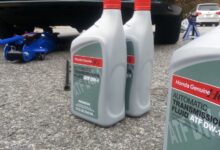
Cost for Transmission Fluid Change: What’s the Average?

Understanding the average cost for transmission fluid change is the first step in budgeting for your vehicle’s maintenance. While prices can vary widely depending on your car model, location, and service provider, most drivers can expect to pay between $80 and $250 for a standard fluid exchange.
Breakdown of Average Price Ranges
The national average for a transmission fluid change typically falls in the $100–$200 range. This includes both the fluid and labor costs. However, this price can shift significantly based on several factors. For example, a basic drain-and-fill service might cost as little as $80, while a complete flush using a machine could reach $300 or more.
- Drain and refill: $80–$150
- Transmission flush: $150–$300
- DIY fluid change: $40–$100 (parts only)
According to Edmunds, the type of transmission (automatic vs. manual) and the vehicle’s make and model heavily influence the final bill.
Transmission Flush vs. Fluid Change: What’s the Difference?
A common point of confusion is the difference between a transmission flush and a simple fluid change. A fluid change involves draining the pan, replacing the filter (if applicable), and refilling with new fluid. This method only replaces about 40–50% of the old fluid.
In contrast, a transmission flush uses a machine to push out nearly all of the old fluid, replacing up to 90–100%. While more thorough, flushing can be risky on high-mileage vehicles, as it may dislodge debris and cause clogs.
“A flush isn’t always better. On older transmissions, it can do more harm than good.” — ASE Certified Technician
Factors That Influence the Cost for Transmission Fluid Change
The price you pay isn’t arbitrary. Several key factors determine the final cost for transmission fluid change. Knowing these can help you anticipate expenses and avoid overpaying.
Vehicle Make, Model, and Year
Luxury and performance vehicles often require specific types of transmission fluid, which can be significantly more expensive. For example, a BMW or Mercedes might need a specialized synthetic fluid costing $20–$30 per quart, compared to $5–$8 for a standard fluid in a Honda or Toyota.
Additionally, some vehicles have complex transmission designs that require more labor time, increasing the labor cost. SUVs and trucks may also have larger transmission systems, requiring more fluid.
Type of Transmission Fluid Used
Not all transmission fluids are created equal. The type required by your vehicle plays a major role in the overall cost. Common types include:
- Conventional automatic transmission fluid (ATF)
- Synthetic ATF (more durable, better performance)
- CVT fluid (for continuously variable transmissions)
- Manual transmission fluid (gear oil or specific ATF)
Synthetic fluids, while more expensive, often last longer and provide better protection, potentially reducing long-term maintenance costs. Always refer to your owner’s manual to ensure you’re using the correct fluid type.
Labor Rates by Location and Service Provider
Labor costs can vary dramatically depending on where you live. Urban areas like New York or San Francisco typically have higher hourly rates than rural towns. Independent mechanics may charge $80–$120 per hour, while dealerships can charge $120–$180 per hour.
Chain shops like Midas or Meineke often offer flat-rate pricing, which can be more predictable. Dealerships, while more expensive, use factory-trained technicians and OEM parts, which some drivers prefer for peace of mind.
Cost for Transmission Fluid Change by Vehicle Type
The type of vehicle you drive has a direct impact on the cost for transmission fluid change. Let’s explore how different categories stack up.
Compact Cars and Sedans
Compact cars like the Honda Civic, Toyota Corolla, or Ford Focus typically have straightforward transmission systems. The cost for transmission fluid change in these vehicles usually ranges from $80 to $150.
These models often use widely available fluids and don’t require special tools or procedures, keeping labor time and costs low. DIY enthusiasts can often complete the job in under an hour with basic tools.
SUVs and Trucks
Larger vehicles like the Ford F-150, Chevrolet Tahoe, or Toyota 4Runner have bigger transmissions that require more fluid—sometimes up to 10–14 quarts. This increases both material and labor costs.
The average cost for transmission fluid change in an SUV or truck ranges from $150 to $250. Some heavy-duty trucks may even exceed $300, especially if they use specialized fluids like Mercon LV or Dexron VI.
Luxury and Performance Vehicles
High-end vehicles from brands like BMW, Audi, Lexus, or Porsche often require proprietary transmission fluids. These fluids can cost $15–$30 per quart, and the transmission may hold 8–12 quarts, quickly driving up the total.
cost for transmission fluid change – Cost for transmission fluid change menjadi aspek penting yang dibahas di sini.
Labor costs are also higher due to complex underbody panels and electronic systems. The total cost for transmission fluid change in a luxury vehicle can easily reach $250–$400, especially at a dealership.
Transmission Fluid Change vs. Flush: Which Is Worth the Cost?
One of the most debated topics in automotive maintenance is whether a transmission flush is worth the extra cost compared to a standard fluid change.
Pros and Cons of a Fluid Change
A standard fluid change is less invasive and generally safer for older transmissions. It involves dropping the transmission pan, replacing the filter (if equipped), and refilling with new fluid.
- Pros: Lower cost, safer for high-mileage vehicles, less risk of damage
- Cons: Only replaces 40–50% of old fluid, less thorough cleaning
This method is often recommended by manufacturers and is sufficient for routine maintenance.
Pros and Cons of a Transmission Flush
A flush uses a machine to cycle out nearly all the old fluid and replace it with new. While more complete, it’s not always recommended.
- Pros: Replaces 90–100% of fluid, removes more contaminants
- Cons: Higher cost, risk of dislodging debris, may void warranties
Many manufacturers, including Honda and Toyota, advise against flushing, recommending only a drain-and-fill procedure. Always check your owner’s manual before proceeding.
When Should You Change Your Transmission Fluid?
Knowing when to change your transmission fluid is just as important as knowing the cost for transmission fluid change. Too early, and you’re wasting money. Too late, and you risk transmission failure.
Manufacturer Recommendations by Brand
Vehicle manufacturers provide specific guidelines for transmission fluid changes. These can vary widely:
- Honda: Every 90,000 miles (under severe conditions)
- Toyota: Every 90,000 miles (for some models, fluid is “lifetime”)
- Ford: Every 150,000 miles (with Mercon LV fluid)
- BMW: Every 100,000 miles
- GM: Some models recommend fluid changes every 150,000 miles
Always consult your owner’s manual for the exact interval. Some newer vehicles claim “lifetime” fluid, but many mechanics recommend changing it every 100,000 miles regardless.
Symptoms That Signal an Immediate Change Is Needed
Even if you’re within the recommended mileage, certain symptoms indicate your transmission fluid needs immediate attention:
- Slipping gears or delayed engagement
- Grinding or shaking during shifts
- Burning smell from the transmission area
- Dark, dirty, or metallic-smelling fluid
- Check engine or transmission warning light
If you notice any of these signs, don’t wait. The cost for transmission fluid change is minor compared to a full transmission rebuild, which can exceed $2,500.
DIY vs. Professional: Saving Money on the Cost for Transmission Fluid Change
One of the most effective ways to reduce the cost for transmission fluid change is to do it yourself. But is it worth the effort?
Tools and Supplies Needed for DIY
For a basic fluid change, you’ll need:
- Socket wrench and drain pan
- New transmission filter and pan gasket (if applicable)
- Funnel and turkey baster (for checking fluid level)
- Correct type and amount of transmission fluid
- Jack and jack stands or ramps
Total cost for parts and fluids: $40–$100, depending on your vehicle.
Step-by-Step Guide to Changing Transmission Fluid
Follow these steps for a safe and effective DIY fluid change:
- Warm up the engine to operating temperature.
- Lift the vehicle securely using a jack and stands.
- Locate the transmission pan and place a drain pan underneath.
- Remove the pan bolts and drain the old fluid.
- Replace the filter and install a new gasket.
- Reinstall the pan and tighten bolts evenly.
- Refill with the correct amount and type of fluid.
- Start the engine and cycle through gears to distribute fluid.
- Check fluid level using the dipstick and adjust if needed.
Always refer to your vehicle’s service manual for specific instructions. Some modern cars require electronic fluid level checks using diagnostic tools.
Hidden Costs and Common Scams to Avoid
The advertised cost for transmission fluid change might seem low, but beware of hidden fees and upsells that can double your bill.
Unnecessary Additives and “Lifetime” Fluid Myths
Some shops push expensive additives claiming to “restore” your transmission or extend fluid life. These are often ineffective and can even harm your transmission.
Similarly, the idea of “lifetime” fluid is misleading. While modern fluids last longer, they still degrade over time. Heat, friction, and contamination reduce their effectiveness, making periodic changes necessary.
cost for transmission fluid change – Cost for transmission fluid change menjadi aspek penting yang dibahas di sini.
Pressure Washing and Upselling Tactics
Be cautious of shops that insist on a transmission flush without diagnosing any issues. They may use scare tactics or claim your fluid is “toxic” or “sludgy” to justify a higher-cost service.
Always ask for proof—many shops will show you a sample of your old fluid. If it’s dark but not burnt, a simple change may suffice.
Long-Term Savings: How Regular Fluid Changes Prevent Costly Repairs
Investing in regular transmission fluid changes can save you thousands in the long run. A healthy transmission is one of the most critical components of your vehicle.
How Clean Fluid Extends Transmission Life
Fresh transmission fluid lubricates internal components, dissipates heat, and keeps the system clean. Over time, fluid breaks down and accumulates metal particles and sludge, leading to increased wear and overheating.
Regular changes every 50,000–100,000 miles can prevent premature wear, ensuring smoother shifts and longer transmission life.
Cost Comparison: Fluid Change vs. Transmission Replacement
Consider this: the average cost for transmission fluid change is $150. In contrast, a transmission rebuild costs $1,800–$3,400, and a full replacement can exceed $3,500.
“Preventive maintenance is always cheaper than repair.” — Automotive Industry Expert
Even if you change your fluid twice in a car’s lifetime, you’re still saving over $3,000 compared to a single transmission replacement.
How often should I change my transmission fluid?
Most manufacturers recommend every 50,000 to 100,000 miles, but check your owner’s manual for the exact interval. Vehicles driven in severe conditions (towing, stop-and-go traffic) may need more frequent changes.
Can I mix old and new transmission fluid?
While technically possible, it’s not recommended. Mixing old, degraded fluid with new reduces the effectiveness of the new fluid and can lead to performance issues. A complete fluid change is always better.
Is a transmission flush better than a fluid change?
Not necessarily. A flush replaces more fluid but can dislodge debris and cause blockages in older transmissions. Most manufacturers recommend a simple drain-and-fill instead of a flush.
What happens if I never change my transmission fluid?
Over time, the fluid breaks down, loses its lubricating properties, and accumulates sludge. This leads to increased friction, overheating, and eventually transmission failure, which can cost thousands to repair.
Can I change transmission fluid myself?
Yes, if you have basic mechanical skills and the right tools. A DIY fluid change can save you $100 or more. However, some modern vehicles require electronic diagnostics to check fluid levels, making professional service necessary.
Understanding the true cost for transmission fluid change is essential for every car owner. From average prices and vehicle-specific costs to DIY options and long-term savings, this guide has covered every angle. Regular maintenance isn’t just about avoiding breakdowns—it’s about protecting your investment. A small expense today can prevent a financial disaster tomorrow. Stay informed, follow your manufacturer’s guidelines, and never underestimate the power of clean transmission fluid.
cost for transmission fluid change – Cost for transmission fluid change menjadi aspek penting yang dibahas di sini.
Further Reading:
